

Trading Agreements for Difference (CFDs) has turned into a popular selection among individuals looking to venture in to the vibrant world of economic markets. But just what are cfds, and how can they work? This beginner's guide can break up the necessities, making it simpler to appreciate this significantly trending financial instrument.

What Is a CFD?
CFDs, short for Contracts for Difference, are economic derivatives that enable traders to speculate on the cost actions of numerous resources without possessing the main asset. These resources may include stocks, commodities, indices, forex, and cryptocurrencies.
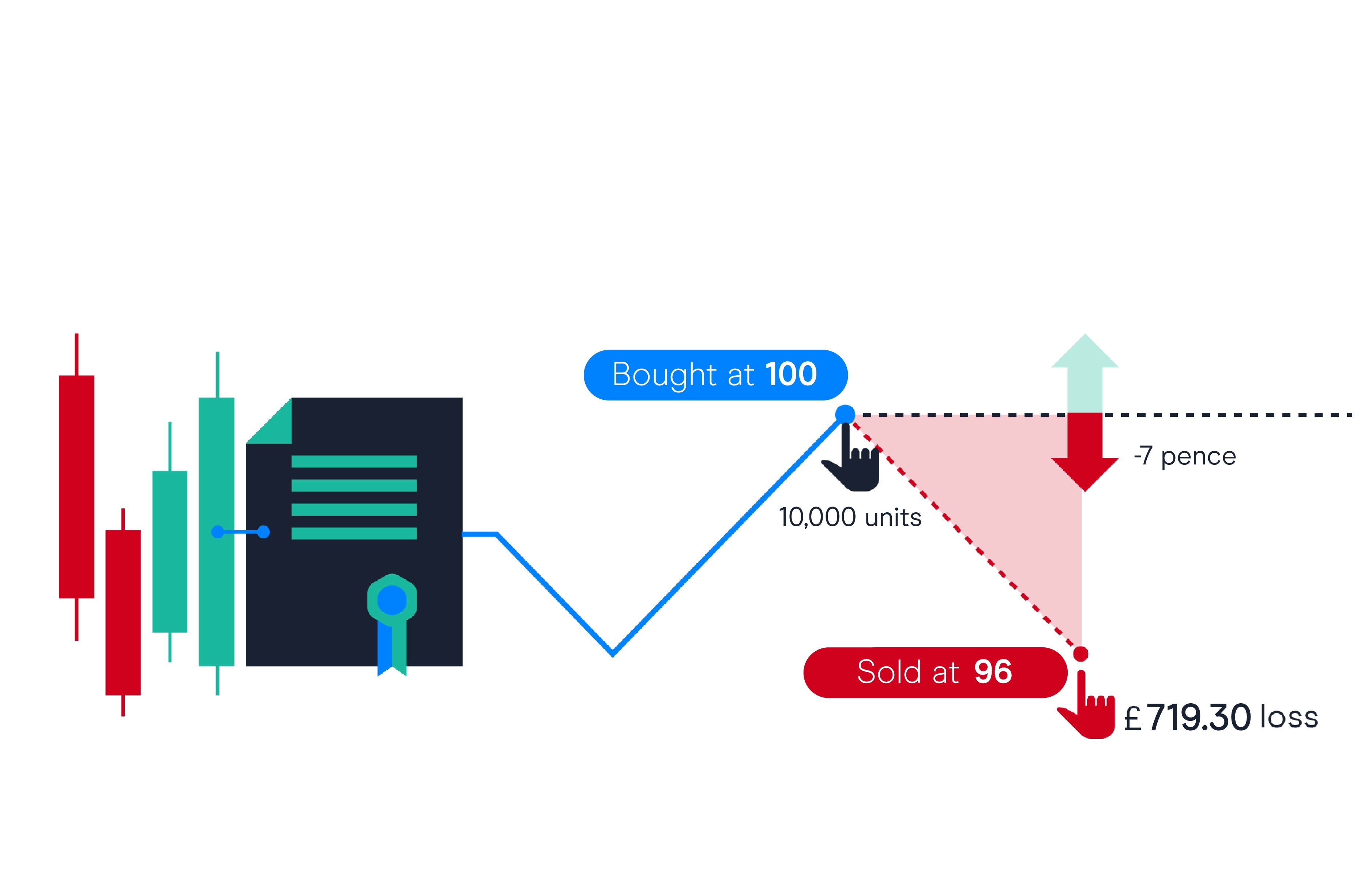
Once you industry a CFD, you're primarily entering into an deal with a broker. This deal requires changing the big difference in a asset's cost from when you start the agreement to once you shut it. If the cost actions in your like, you make a profit. If it actions against you, you incur a loss.
When you don't really own the advantage, CFDs give you a variable solution to trade financial markets with no included responsibilities or costs, such as storage for bodily commodities or move charges for stocks.
Why Are CFDs Gaining Popularity?
CFDs have surged in popularity because of the ease and versatility. Here really are a several reasoned explanations why several traders see them fascinating:
Use of Worldwide Areas
CFDs provide contact with a great array of markets across the world. Whether you're enthusiastic about trading commodities like silver or organic fuel, monitoring inventory indices like the NASDAQ, or doing forex trading, CFDs provide a gate way to numerous financial instruments.
Prospect of Gain in Any Industry Path
One of the standout options that come with CFDs is which they allow you to income whether areas are increasing or falling. If you believe a resource increases in value, you can have a "buy" (long) position. However, in the event that you assume a fall in price, you can have a "sell" (short) position. This flexibility is a key aspect in why CFDs are trending among traders.
No Possession of the Underlying Asset
Unlike conventional investing where you have the asset—like gives in a company—CFDs only need you to suppose on price movements. That removes the additional prices related to ownership, such as press responsibilities or bodily storage.
Low Entry Barriers
CFDs permit use of high-value devices without requiring the money usually required to buy the underlying asset outright. That makes CFDs an attractive selection for individuals seeking to diversify their portfolio.
How Does CFD Trading Work?
Here is a easy representation of how CFDs work:
Step 1: You predict the action of an asset's price. As an example, you think the buying price of gross fat can rise.
Stage 2: You choose a "buy" (long) position to reflect your prediction. As an alternative, if you imagine the asset's value can decline, you select a "sell" (short) position.
Stage 3: Your gain or loss is determined by the modify in the asset's cost between when you open and close the contract.
For instance, if you get a CFD contract when raw fat is $60 per barrel and offer when it reaches $65, your revenue will undoubtedly be calculated on the basis of the $5 cost huge difference, minus any related fees. However, if the price lowers alternatively, you would incur a loss.
Notice: Trading CFDs involves risks, and prices can move against your expectations. Thus, understanding market developments, correct examination, and risk administration are critical.
Key Considerations When Trading CFDs
Market Analysis
Understanding the areas is just a fundamental aspect of CFD trading. Conduct complete study, analyze developments, and use methods like charts and specialized signs to create educated decisions.
Risk Management
CFDs may enhance both increases and losses. It's necessary to handle your risk effectively. Placing stop-loss purchases, only trading amounts you are able to afford to get rid of, and diversifying your trades can help mitigate risk.
Choosing the Right Platform
The proper trading program can improve your CFD trading experience. Search for platforms offering user-friendly interfaces, real-time information, instructional sources, and various trading methods to assist you stay educated and competitive.
Final Thoughts
Contracts for Big difference, or CFDs, give you a distinctive and flexible method to engage with financial markets round the world. By knowledge how they function and the dangers involved, traders can take advantage of options in increasing and slipping markets across many different advantage classes.
Whether you're a veteran trader or a starter discovering the planet of trading, CFDs is definitely an interesting avenue to consider. Start by learning the basic principles, sharpening your evaluation skills, and employing sound risk administration methods to maximise your possible in this active market.