

Contracts for Big difference (CFDs) are becoming a favorite type of trading those types of seeking to faucet into financial markets without possessing the underlying assets. But just what are CFDs, and just how do they work? This article breaks down the requirements of cfdss trading and features their benefits for traders seeking mobility and accessibility.
Understanding CFDs
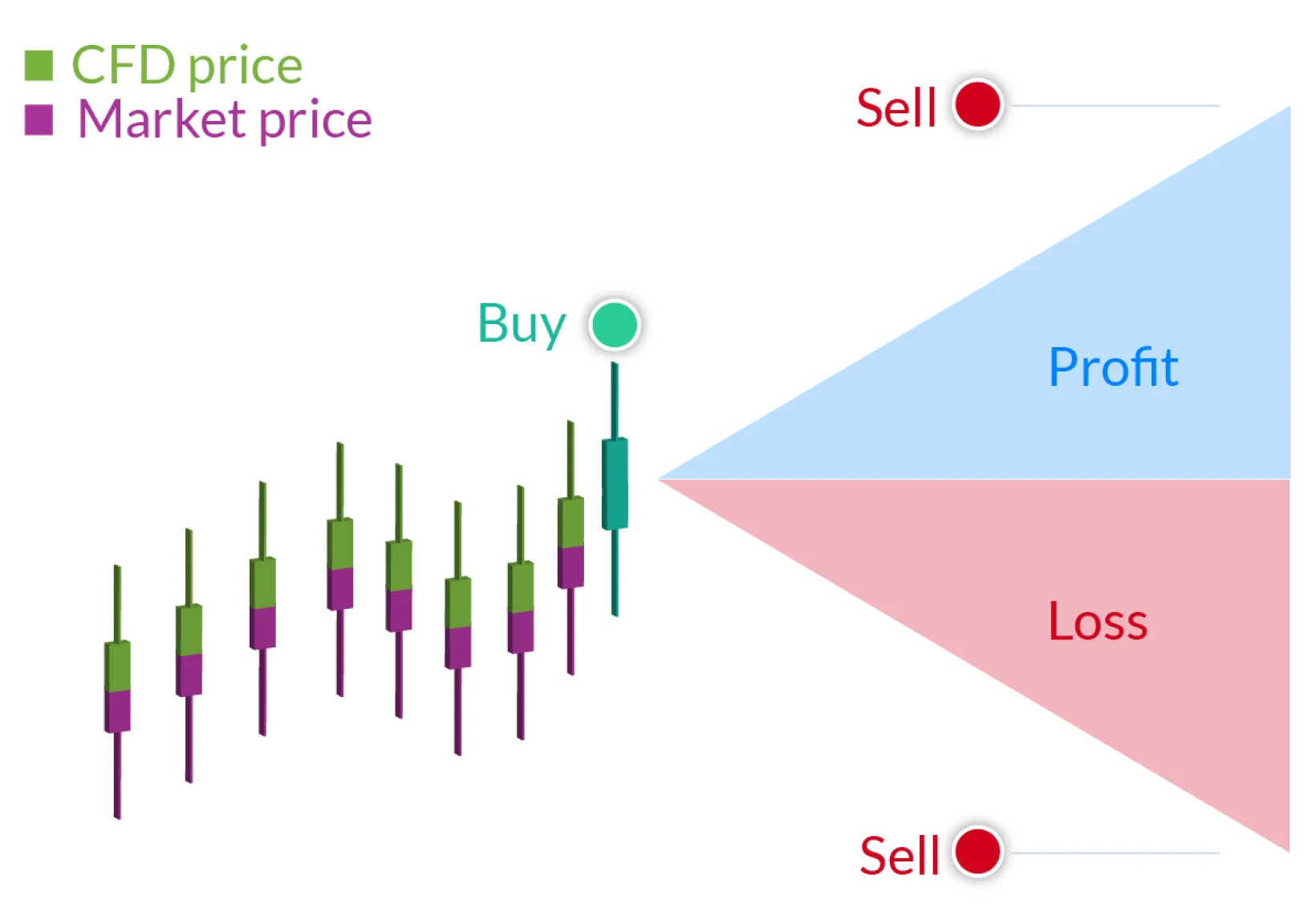
A Agreement for Huge difference (CFD) is a financial derivative that enables you to suppose on the purchase price activities of various resources such as for instance shares, forex, commodities, and indices. When trading CFDs, you enter an contract with a broker to change the huge difference between the opening and shutting rates of an advantage, without actually buying the advantage itself. You can revenue by speculating on the movement of industry, whether it's increasing or down.
For example, if you think the price tag on a share will probably rise, you can start a "buy" (long) position. Conversely, if you think the price will fall, you can start a "sell" (short) position. By capitalizing on industry volatility, CFD trading offers an convenient and dynamic method for investors.
Benefits of CFD Trading
CFDs provide several unique benefits that interest traders searching for diverse opportunities. Below are some important benefits:
1. Access to a Wide Range of Markets
CFDs give traders usage of many different economic areas, including forex, shares, commodities, cryptocurrencies, and indices—all from a single platform. This diverse range is great for traders seeking to expand their collection and examine various advantage lessons without having to control numerous accounts.
2. Opportunity to Trade in Both Rising and Falling Markets
One of many standout features of CFD trading is flexibility. Unlike standard investing, which regularly ties accomplishment to increasing areas, CFDs enable you to benefit from value movements in sometimes direction. Whether the marketplace is bullish or bearish, you are able to position yourself to seize opportunities.
3. No Ownership of Assets
Unlike traditional buy-and-hold opportunities, CFD trading does not involve purchasing the main assets. That eliminates the logistical issues of control, such as for instance storage or custody, which is very useful for commodities like gold or oil.
4. Efficient Use of Capital
CFD trading needs just a portion of the sum total industry value upfront. This efficient usage of capital allows traders to diversify their jobs without tying up significant funds. It may also make entering worldwide markets more available for individual traders.
5. Streamlined Trading Platform
Modern CFD brokers on average provide user-friendly tools full of sophisticated methods and functions to greatly help traders analyze and perform their trades effectively. Real-time graphs, complex indicators, and risk management tools may enhance your trading experience and decision-making.
6. Round-the-Clock Trading Opportunities
Many CFD areas work 24/5 as well as 24/7, specially in the event of cryptocurrency CFDs, giving traders the flexibility to business at their convenience regardless of time zones. That expanded trading screen guarantees that you do not skip possibilities in international markets.
How CFD Trading Works
Trading CFDs is easy once you understand the basics. Here's how it generally works:
Choose an Asset – Choose the asset you intend to business, such as for example forex or stocks.
Analyze the Industry – Use maps, media, and signals to predict whether the cost can increase or fall.
Open a Place – Place a business, planning long (buy) if you expect the price to increase or going short (sell) in the event that you estimate a price drop.
Check Your Trade – Utilize the platform's methods to track your place and manage risk.
Shut the Position – Leave the deal when you wish to lock in your profits or minimize losses. The huge difference involving the opening and ending prices establishes your outcome.
Final Thoughts
CFDs really are a effective tool for many who desire to engage in effective trading without wanting to possess the main assets. With their capability to trade various areas, profit from both growing and falling rates, and streamlined tools, CFDs provide a persuasive selection for traders trying to find flexibility inside their strategies.

If you're enthusiastic about increasing greater insights into CFD trading and discovering their potential, start by picking a well-researched broker and practicing with a test account. CFDs are all about adapting to promote tendencies and remaining informed—your important to making better trading decisions.